
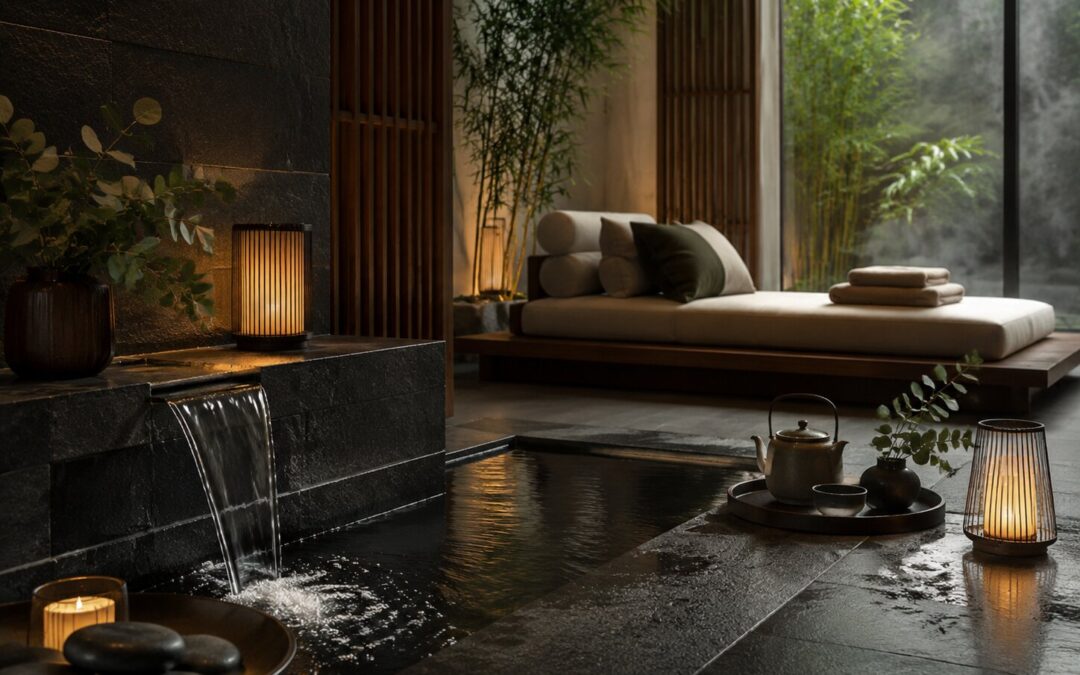
Daily responsibilities can leave people feeling mentally tired and physically tense, making dedicated relaxation an important part of personal well-being. A day spa experience can provide a peaceful setting where visitors can step away from work, household tasks, and other sources of pressure while focusing on rest and personal care. People searching for day spa Stuart, FL can explore services such as massage, facial treatments, body treatments, and relaxation sessions designed to create a comfortable experience. The combination of a calm environment and professional treatments may help ease muscle tension and provide temporary mental relief. A spa visit should be viewed as one part of a balanced self-care routine rather than a replacement for professional support when stress becomes persistent or severe.
Understanding How Stress Affects the Body and Mind
Stress can affect both physical comfort and mental well-being. Common experiences may include muscle tension, tiredness, headaches, difficulty concentrating, irritability, and trouble relaxing after a demanding day. Physical tension often develops around areas such as the neck, shoulders, and back, particularly among people who spend long periods sitting or working under pressure. A dedicated period of relaxation can provide an opportunity to step away from these demands and focus on personal comfort. Understanding these effects can help people recognize the value of healthy relaxation habits and choose activities that support their overall well-being.
Creating a Calm Environment for Relaxation
The surroundings of a day spa can play an important role in creating a peaceful experience. Quiet spaces, comfortable seating, soft lighting, pleasant scents, and limited distractions can make it easier to slow down and focus on relaxation. A change of environment can also create distance from workplace responsibilities, household chores, and constant notifications. Visitors can use this time to put their phones aside, breathe slowly, and focus on the treatment or activity taking place. A calming atmosphere does not remove the sources of stress permanently, but it can provide valuable time for rest and mental separation from everyday demands.
How Massage Can Help Relieve Muscle Tension
Massage is a popular spa service because stress can contribute to physical tension in different parts of the body. Professional massage techniques may work on areas such as the shoulders, neck, back, arms, and legs, depending on the selected service and individual preferences. Gentle pressure and controlled movements can create a sense of physical relaxation while providing dedicated time away from daily responsibilities. People should communicate areas of discomfort, pressure preferences, and relevant health concerns with the massage professional. A comfortable session can contribute to temporary relief from muscle tightness and leave the body feeling more relaxed after treatment.
Supporting Relaxation Through Spa Treatments
- Massage treatments: Massage can support relaxation by addressing areas where physical tension commonly develops.
- Facial treatments: A facial can combine skincare with a quiet, relaxing experience that allows visitors to focus on personal care.
- Body treatments: Selected body treatments can provide physical comfort while creating dedicated time for rest.
- Hydrotherapy: Warm water and suitable water-based treatments may contribute to a soothing and comfortable experience.
- Relaxation areas: Quiet spaces can provide visitors with time to sit, breathe, and rest between treatments.
Different treatments offer different experiences, so visitors should select services based on their personal goals, comfort level, and any recommendations provided by qualified professionals. Combining suitable services can create a more complete spa visit without making the schedule unnecessarily demanding.
The Role of Mindful Breaks in Stress Management
A mindful break gives the mind an opportunity to move away from constant tasks and distractions. Simple practices such as slow breathing, sitting quietly, focusing on physical sensations, and reducing phone use can encourage a calmer state of mind. A day spa can provide an environment where these habits feel easier because visitors are already stepping away from their usual surroundings. The goal is not to eliminate every stressful thought but to create a period where attention can shift toward rest. Regular short breaks outside the spa can also support this habit through activities such as walking, reading, stretching, or spending quiet time outdoors.
Choosing the Right Spa Experience for Your Needs
- Identify your main goal: Decide whether you want muscle relaxation, quiet time, skincare, or general personal care.
- Select suitable treatments: Choose services that match your comfort level and wellness preferences.
- Consider treatment duration: Select a visit length that provides enough time for relaxation without creating additional schedule pressure.
- Communicate your needs: Share information about areas of tension, sensitivities, pressure preferences, and relevant concerns.
- Plan recovery time: Leave some space after the appointment so you can return to your normal responsibilities without immediately rushing into another demanding activity.
A personalized approach can make a spa visit more comfortable and useful. Selecting fewer suitable treatments may provide a better experience than filling the schedule with services that do not match your needs.
How a Spa Visit Can Encourage Better Self-Care Habits
Making time for personal care can encourage people to pay greater attention to their physical and mental needs. A spa visit creates a scheduled opportunity to pause, rest, and focus on activities that promote comfort. This habit can also encourage people to build smaller forms of self-care into their normal routines, such as taking short breaks, getting adequate sleep, exercising, reading, or spending time with loved ones. Self-care does not need to be complicated or expensive to be meaningful. A realistic routine that includes regular opportunities for rest can make relaxation easier to maintain alongside work and personal responsibilities.
Disconnecting From Everyday Distractions
Phones, emails, workplace messages, household responsibilities, and social commitments can make it difficult to experience uninterrupted rest. A spa visit offers an opportunity to temporarily reduce these distractions and concentrate on the present experience. Visitors can silence unnecessary notifications and allow themselves to focus on the treatment, surroundings, and physical sensations. This temporary separation can help create a clear boundary between daily responsibilities and personal relaxation time. Developing similar boundaries at home, such as setting aside device-free periods, can also support healthier habits around rest and personal time.
Combining Spa Visits With Healthy Stress-Relief Habits
Spa treatments can complement other healthy habits that support overall well-being. Regular physical activity, adequate sleep, balanced nutrition, time outdoors, hobbies, social connection, and relaxation exercises can all play a role in managing everyday pressure. A Swedish massage or other spa service may provide temporary physical comfort and relaxation, while these broader habits help create a more consistent approach to wellness. People should choose activities that fit naturally into their lifestyle rather than relying on a single form of relaxation. Combining professional treatments such as Swedish massage with practical daily habits can create a more balanced and sustainable wellness routine.
Making Time for Regular Relaxation
Relaxation becomes easier to maintain when it receives a realistic place in the schedule. Some people may choose occasional spa appointments, while others may prefer shorter relaxation activities throughout the week with periodic professional treatments. Planning ahead can prevent personal care from being pushed aside by work or household responsibilities. The right frequency depends on individual preferences, available time, budget, and treatment type. Regular rest does not require a specific schedule for everyone. The most useful routine is one that provides meaningful opportunities to slow down without creating additional financial or scheduling pressure.
Setting Realistic Expectations From a Day Spa Experience
A day spa can provide a valuable opportunity for relaxation, but one appointment cannot remove every source of stress. The effects of a treatment may be temporary, making ongoing self-care and healthy lifestyle habits important. People experiencing persistent, severe, or overwhelming stress should consider speaking with an appropriate healthcare or mental health professional. Spa treatments can complement professional care and personal wellness practices, but they should not be presented as a substitute for medical or psychological treatment. Setting realistic expectations allows visitors to appreciate the comfort and relaxation a spa experience can provide while maintaining a broader approach to well-being.
Conclusion
A day spa experience can support stress relief by providing a calm environment, professional treatments, physical relaxation, and dedicated personal time. At The Retreat Massage and Facial Spa, guests can enjoy a relaxing setting designed to support comfort, wellness, and personal care. Massage may help ease areas of muscle tension, while facial and body treatments can provide additional relaxation and a refreshed feeling. The experience can also encourage healthier boundaries around work, technology, and everyday responsibilities. Choosing suitable treatments, communicating personal preferences, and following a realistic relaxation routine can make spa visits more meaningful and beneficial as part of an overall wellness lifestyle.
FAQs
Can a day spa visit help with stress?
A day spa visit can provide temporary relaxation through a peaceful environment, massage, and other calming treatments. These experiences may help reduce feelings of physical tension and provide a break from everyday responsibilities.
Which spa treatments are useful for relaxation?
Massage, facial treatments, body treatments, hydrotherapy, and quiet relaxation sessions can all contribute to a relaxing spa experience. The most suitable option depends on personal preferences and comfort.
How often should someone visit a day spa for relaxation?
There is no universal schedule. Frequency can depend on personal needs, budget, available time, and the type of treatment selected. Occasional professional treatments can also be combined with simple relaxation habits at home.
Can spa treatments replace professional stress management?
Spa treatments can support relaxation and self-care but should not replace medical or mental health support. Persistent or severe stress may require guidance from an appropriate healthcare professional.
Recent Comments