
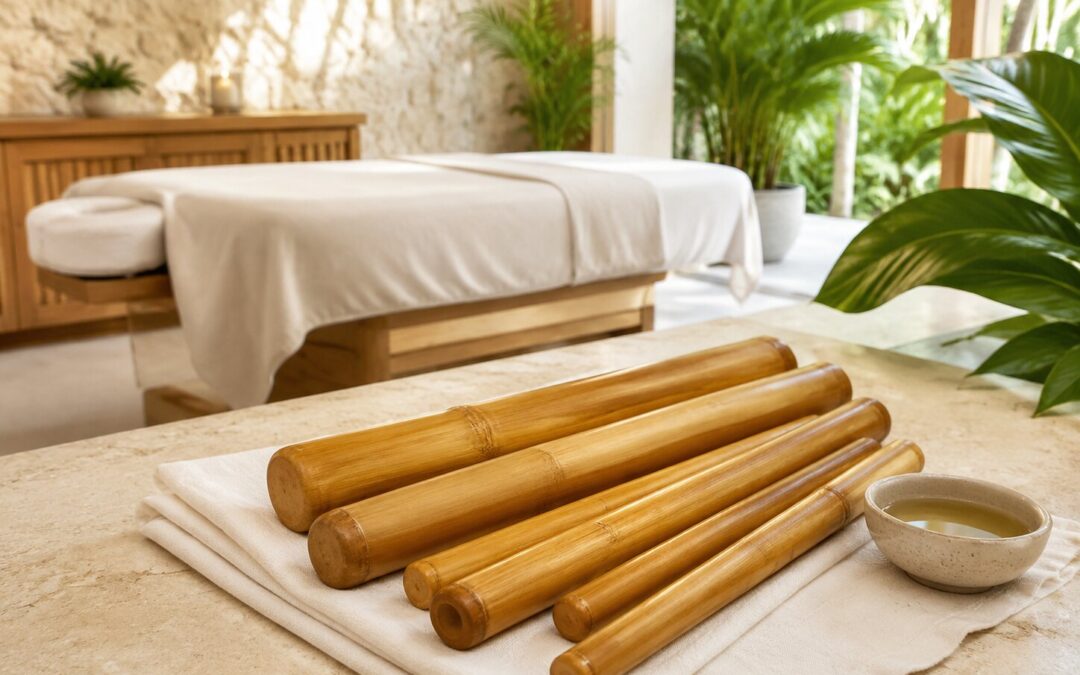
Bamboo massage offers a distinctive approach to bodywork by combining traditional massage movements with smooth bamboo tools. People searching for bamboo massage Stuart, FL may be interested in learning how this technique differs from familiar hand-based massage services. During a bamboo massage session, specially selected bamboo sticks can be used to roll, glide, press, and knead different areas of the body. The tools allow massage professionals to apply controlled pressure while covering broader areas with certain movements. Traditional massage generally depends on the therapist’s hands, fingers, palms, elbows, or forearms, creating a different sensation and method of pressure. Both approaches can provide relaxation and physical comfort, but bamboo massage stands apart because of its distinctive tools, movement patterns, and pressure distribution.
Understanding the Basics of Bamboo Massage
Bamboo massage is a specialized form of massage that incorporates smooth bamboo sticks into a professional bodywork session. Different bamboo pieces may vary in size and shape, allowing the massage professional to select an appropriate tool for a particular body area. The sticks can be used along the back, arms, legs, shoulders, and other muscle groups through controlled rolling, gliding, and pressing movements. The technique is not simply about applying firm pressure with a stick; proper handling, positioning, and movement require appropriate training and experience. A professional can adjust the pressure and pace according to the client’s comfort and treatment goals.
How Bamboo Tools Change the Massage Experience
The addition of bamboo tools changes how pressure is delivered during a massage session. A therapist’s hand can provide detailed contact through fingers and palms, while a smooth bamboo stick can distribute pressure across a wider section of the body. The rounded surface can also support long, flowing movements that feel different from hand-based strokes. Tool selection can vary according to the area being treated, with smaller pieces offering more focused contact and larger pieces supporting broader movements. Pressure remains an important consideration throughout the session, as excessive force can create discomfort rather than relaxation. Communication between the client and therapist helps ensure that the tools are used at a suitable intensity and that the overall treatment remains comfortable.
Comparing Bamboo Massage With Traditional Massage
Traditional massage techniques generally depend on direct contact between the therapist’s hands and the client’s body. Kneading, circular movements, stretching, compression, and long strokes may be performed using the palms, fingers, thumbs, forearms, or other parts of the hands and arms. Bamboo massage introduces an additional element by incorporating smooth tools into these movements. This can change the distribution of pressure and create sensations that are not typically produced through hand-only techniques. Traditional massage may provide greater direct control through the therapist’s fingers, while bamboo tools can support consistent pressure across broader muscle areas.
What Makes Bamboo Massage Unique?
- Use of bamboo tools: Smooth bamboo sticks are incorporated into selected massage movements, creating a distinct form of contact.
- Pressure control: The shape and firmness of bamboo can help a trained professional apply steady pressure across specific areas.
- Broader movements: Longer tools can support flowing strokes across larger muscle groups.
- Rhythmic techniques: Rolling, gliding, and pressing movements can create a consistent rhythm throughout the session.
- Distinct sensation: Bamboo contact feels different from direct pressure provided by hands, giving clients another massage option.
These characteristics make bamboo massage recognizable as a tool-assisted technique rather than simply another version of conventional hand massage. The experience can vary considerably depending on the tools selected, the professional’s technique, the client’s pressure preference, and the areas being treated.
The Role of Pressure in Bamboo Massage
Pressure is one of the most important aspects of a comfortable bamboo massage session. Bamboo tools can create firm, steady contact, but the appropriate intensity should always depend on the client’s comfort and individual circumstances. A massage professional may begin with lighter movements and gradually adjust pressure based on feedback. Areas with greater muscle tension may receive more focused attention, while sensitive areas may require gentler movements. Clients should communicate clearly about pressure throughout the appointment instead of assuming that stronger treatment produces better results. Comfortable pressure can support relaxation, while excessive force may leave the body feeling uncomfortable. Professional technique, communication, and appropriate tool selection all contribute to a positive experience.
How Bamboo Massage May Support Muscle Relaxation
Bamboo massage may be used to work on muscle groups where people commonly experience tension, including the back, shoulders, arms, legs, and neck. Rolling and gliding movements can create physical stimulation across these areas while providing a relaxing experience. The broader surface of a bamboo tool can allow a professional to work across larger sections of muscle with controlled movements. Hand techniques may also be incorporated to address smaller or more sensitive areas. Individual responses to massage vary, and the experience should be based on comfort rather than a fixed level of pressure.
Why Bamboo Massage Can Feel Different From Hand-Based Techniques?
- Tool-based contact: Bamboo creates a different physical sensation compared with direct contact from fingers and palms.
- Consistent pressure: The shape of the tool can help distribute pressure evenly across selected areas.
- Longer strokes: Bamboo can support extended movements across broader sections of the body.
- Targeted application: Different bamboo sizes may be selected for different muscle groups and treatment areas.
- Rhythmic movement: Repeated rolling and gliding motions can create a distinctive pattern of pressure and movement.
The combination of these characteristics can make bamboo massage feel noticeably different from a conventional hand-based session. Some people may appreciate the firm, smooth sensation of the tools, while others may prefer the detailed contact offered by a therapist’s hands. Personal preference plays an important role in determining which technique feels most comfortable. A consultation can help clients understand what to expect and communicate the type of pressure and movement they prefer.
Choosing Between Bamboo Massage and Traditional Massage
Selecting between bamboo massage and traditional massage starts with identifying personal preferences and treatment goals. People who enjoy direct hand contact may prefer traditional massage techniques, while those interested in tool-assisted pressure may find bamboo massage appealing. The desired pressure level can also influence the decision because bamboo tools can create a distinctive firm sensation across broader areas. Previous massage experience, areas of muscle tension, comfort with tools, and the overall purpose of the appointment should also be considered. A qualified massage professional can explain the available techniques and help determine which approach is appropriate. Trying a new technique should involve clear communication so adjustments can be made throughout the session.
What to Expect During a Bamboo Massage Session
A bamboo massage appointment generally begins with a discussion about the client’s preferences, areas of concern, and desired pressure. The professional can use this information to determine which bamboo tools and techniques may be suitable. The session may start with hand-based movements that help prepare the muscles for tool-assisted techniques. Smooth bamboo sticks can then be introduced through rolling, gliding, pressing, or other controlled movements. The therapist may switch between bamboo and hand techniques depending on the area being treated. Pressure and movement can be adjusted throughout the appointment based on client feedback. Clear communication remains important because every person’s comfort level and response to massage can differ.
Preparing for a Bamboo Massage Appointment
Preparation can help make the massage appointment more comfortable and organized. At The Retreat Massage and Facial Spa, guests are encouraged to share relevant information about injuries, sensitive areas, allergies, recent procedures, or health conditions with the massage professional before the session. Explain your preferred pressure level and mention any areas you would like the therapist to focus on or avoid. Arriving with enough time for the consultation can reduce unnecessary rushing and allow the professional to better understand your needs. Avoiding a heavy meal immediately before a massage may also make the session more comfortable. The provider’s specific preparation instructions should take priority because requirements can vary between services.
Safety and Professional Guidance
Bamboo massage should be performed by a trained professional who understands body positioning, tool handling, pressure control, and appropriate massage techniques. Smooth bamboo tools need to be used carefully to avoid excessive pressure or uncomfortable contact. Communication is another important safety factor because clients should report pain, excessive pressure, numbness, or discomfort during the session. A relaxing massage should not require someone to tolerate significant pain. Proper training and individualized treatment can help create a more comfortable experience while reducing unnecessary risks.
Maintaining Comfort After a Bamboo Massage
Post-massage care can help clients transition comfortably back into their normal routine. Drinking water, taking time to relax, and avoiding unusually strenuous activity immediately after a firm massage may be useful for some people. Individual responses can vary, so clients should pay attention to how their body feels and follow any specific recommendations from the massage professional. Temporary tenderness may occur after some massage techniques, particularly with firmer pressure, but significant or persistent pain should not be ignored. Communicating what felt comfortable helps create a more personalized experience during subsequent sessions.
Conclusion
Bamboo massage differs from traditional techniques primarily through its use of smooth bamboo tools, distinctive pressure patterns, broader movements, and rhythmic rolling or gliding techniques. Traditional massage relies mainly on direct hand contact, while bamboo massage adds specialized tools that can change how pressure is distributed across the body. Both approaches can provide enjoyable relaxation and physical comfort when performed appropriately, but personal preferences should guide the choice.
FAQs
What is the main difference between bamboo massage and traditional massage?
The primary difference is the use of smooth bamboo tools during bamboo massage. Traditional massage generally relies on the therapist’s hands, fingers, palms, or forearms, while bamboo massage combines hand techniques with tool-assisted movements.
Does bamboo massage use firm pressure?
Bamboo massage can involve firm and controlled pressure, but intensity should be adjusted according to individual comfort and treatment needs. Clients should communicate with the massage professional throughout the session.
Who may enjoy bamboo massage?
People who like rhythmic movements, broader strokes, and tool-assisted pressure may enjoy bamboo massage. Personal comfort and treatment preferences are important factors when selecting a massage technique.
How should someone prepare for a bamboo massage?
Discuss your preferred pressure, areas of tension, health concerns, injuries, and sensitive areas with the massage professional. Following the provider’s specific preparation instructions can also help create a comfortable appointment.
Recent Comments