
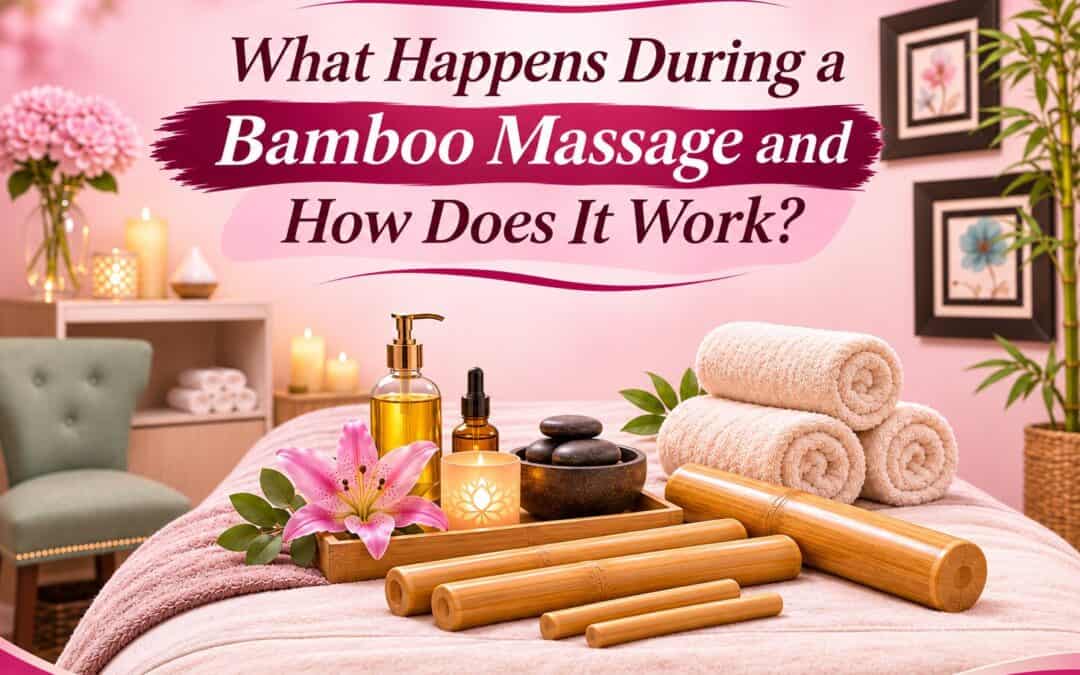
Bamboo massage uses smooth bamboo tools to apply steady pressure across muscles, combining familiar massage movements with the firm, rounded surface of natural material. People searching for bamboo massage Stuart FL may wonder whether the treatment feels different from a traditional hands-on massage. The main distinction is the therapist’s use of bamboo sticks in several sizes to roll, glide, and press over areas of tension. The session should remain comfortable, with pressure adjusted to individual preferences.
Unlike deep tissue massage, bamboo treatment does not require intense pressure. A skilled therapist uses the tools gradually and checks in rather than assuming that firmness guarantees results.
Understanding the Role of Bamboo in Massage
Therapists typically use polished bamboo sticks that have been carefully cleaned and prepared for bodywork. Larger pieces cover broad muscle groups, including the back and thighs, while smaller pieces allow more focused work around the shoulders, arms, and calves. The tools give the therapist another way to distribute pressure without relying entirely on their hands.
Some treatments incorporate warmed bamboo, although temperature and technique vary by spa. Warmth may feel soothing and help clients settle into the session, but it is not essential to the method. A therapist should check the temperature and avoid excessive heat, particularly for anyone with reduced skin sensitivity.
What to Expect During Each Stage of a Bamboo Massage Session
Initial Consultation and Comfort Check
The session usually begins with a short conversation about painful areas, pressure preferences, and relevant health concerns. Mention recent injuries, skin irritation, circulation problems, or conditions that affect sensation. The therapist can then decide which techniques are appropriate and whether certain areas should be avoided. Clients can also ask how the bamboo tools will feel.
Preparation and Positioning
Clients generally lie on a padded massage table and remain covered with a sheet or towel, apart from the area being worked on. The therapist may apply a small amount of massage oil or lotion so the tools move smoothly across the skin. Comfortable positioning and clear communication help prevent unnecessary strain during the treatment.
Rolling and Targeted Pressure
The therapist may start with broad strokes to introduce the sensation of bamboo against the body. Longer sticks can roll along the back or legs, while shorter tools work around smaller muscle groups. Movement should be controlled rather than forceful. Pressure can range from light to firm, depending on the client’s comfort and the therapist’s assessment.
Finishing Movements and Aftercare
Toward the end, the therapist may return to gentler strokes or use hands-on techniques to complete the session. Clients are usually given a moment to get up slowly, especially after prolonged relaxation. Drinking water normally, moving comfortably, and reporting lingering soreness are sensible aftercare steps. Strong pain or unusual symptoms should not be dismissed as an expected result.
How Bamboo Massage Techniques Help Relax Tense Muscles
Bamboo tools create different sensations through their shape, movement, and contact with the skin. The following techniques may contribute to short-term relaxation and a greater sense of physical comfort:
- Broad rolling strokes: Larger sticks travel across areas such as the thighs or back, providing consistent contact over relatively wide muscles.
- Focused pressure: Smaller tools allow the therapist to work more precisely around tight spots without applying sharp or sudden force.
- Rhythmic movements: Repeated, controlled passes can create a predictable sensation that some clients find calming.
- Gentle warming: Heated tools, where offered, may add a comforting sensation when the temperature remains safe.
- Pressure adjustments: Changes in angle, speed, and force help the therapist respond to sensitive areas and personal preferences.
Massage may temporarily reduce perceived muscle tension and promote relaxation, but it cannot reliably remove every knot or correct an underlying injury. Results differ among individuals, and stronger pressure is not necessarily more effective.
How Bamboo Massage Compares With Traditional Massage
Traditional massage primarily uses hands, thumbs, and forearms to knead or glide over soft tissue. Bamboo massage shares many of those movements but introduces a firm tool that can maintain even contact across larger areas. Some clients enjoy the rolling sensation, while others prefer the flexibility and direct feedback of hands-on treatment.
Neither approach is universally better. The choice depends on comfort, treatment goals, and how the therapist adapts the session. Anyone recovering from an injury or managing a medical condition should ask a qualified healthcare professional whether massage is appropriate.
Conclusion
A bamboo massage follows a familiar structure: a consultation, preparation, controlled bodywork, and a gradual finish. Smooth bamboo sticks let therapists vary the width and intensity of pressure while working across different muscle groups. Clear communication remains essential throughout the appointment. Understanding each stage makes it easier to choose suitable pressure, recognize uncomfortable sensations, and enjoy a relaxing experience without expecting unrealistic medical results.
Recent Comments